Best Hydroponics Starter Kit UK for Food Crops
Written by Matt W on 8th Aug 2026.
AutoPot easy2grow for two food plants
Ebb and flow for repeated leafy harvests
One 15 litre pot per plant
Gravity systems use no pump electricity
The best hydroponics starter kit UK growers can choose depends on the crop. Choose shallow, repeatable irrigation for salads and herbs. Give tomatoes, peppers and strawberries larger root volumes. AutoPot systems suit quiet, low-maintenance home growing. Ebb and flow gives closer control over leafy crops. A cabinet kit costs more, but combines irrigation with a contained growing space.
Key takeaways
- Start with the crop and available floor area.
- Gravity-fed pots are quiet and need no pump.
- Ebb and flow suits several small plants on one tray.
- Allow 15 litres or more for one mature tomato or pepper plant.
- Check whether light, airflow, nutrients and measuring equipment are included.
- A low purchase price can hide awkward cleaning or limited replacement parts.
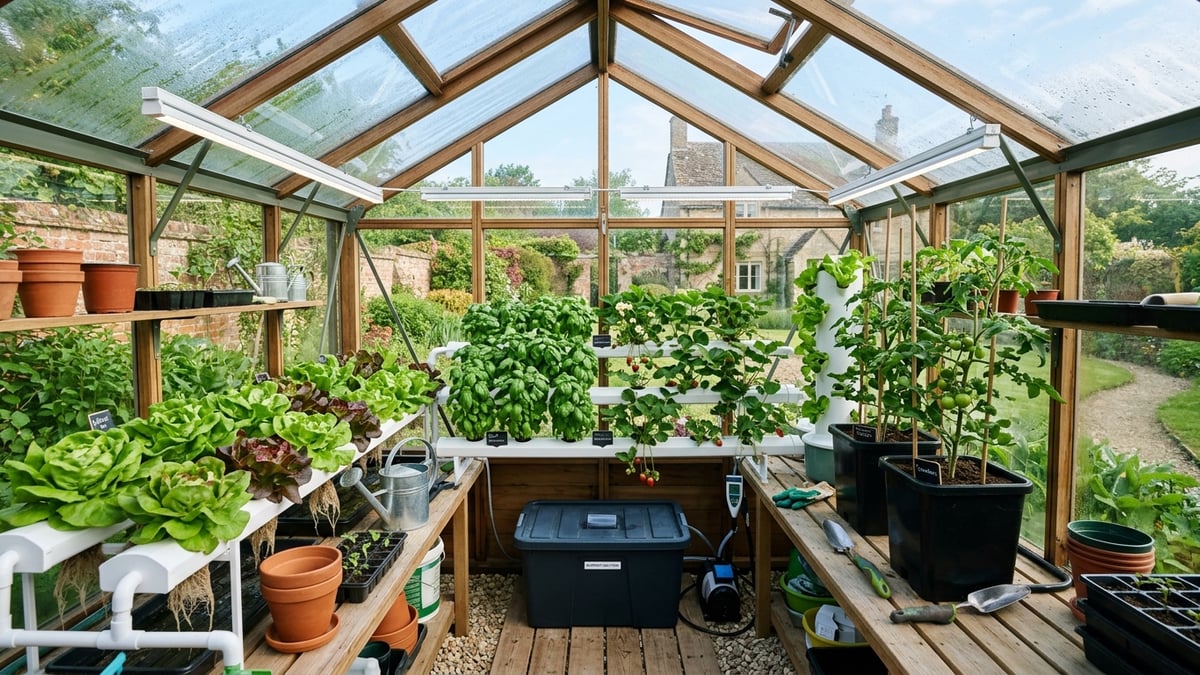
Grower's note: I would rather run four healthy plants than squeeze eight into the same area. Crowding blocks airflow and access. It also turns one failed valve into a wet, tangled job.
- Matt W, Hydroponics UK
What is the best hydroponics starter kit UK growers can buy?
The AutoPot easy2grow is our best starter kit for most home food growers. Two pots share one gravity-fed module. The AQUAvalve supplies water after the tray empties, without a pump or mains connection.
That simple layout suits strawberries, herbs, compact peppers and patio tomatoes. Choose 8.5 litre pots for smaller crops. Pick 15 litre pots when roots and plants need more room.
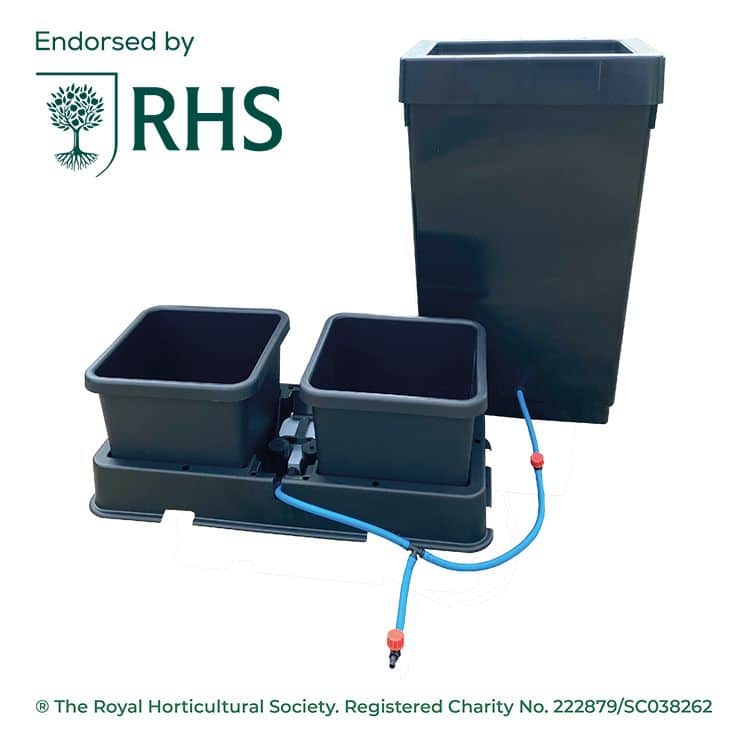
Matt's Pick: AutoPot easy2grow System
Best for: two to twelve strawberries, herbs or compact fruiting plants.
Twin-pot modules run on gravity and scale from two to 100 pots. Choose 8.5 or 15 litre pots.
Price: £62
Which hydroponic system suits each crop?
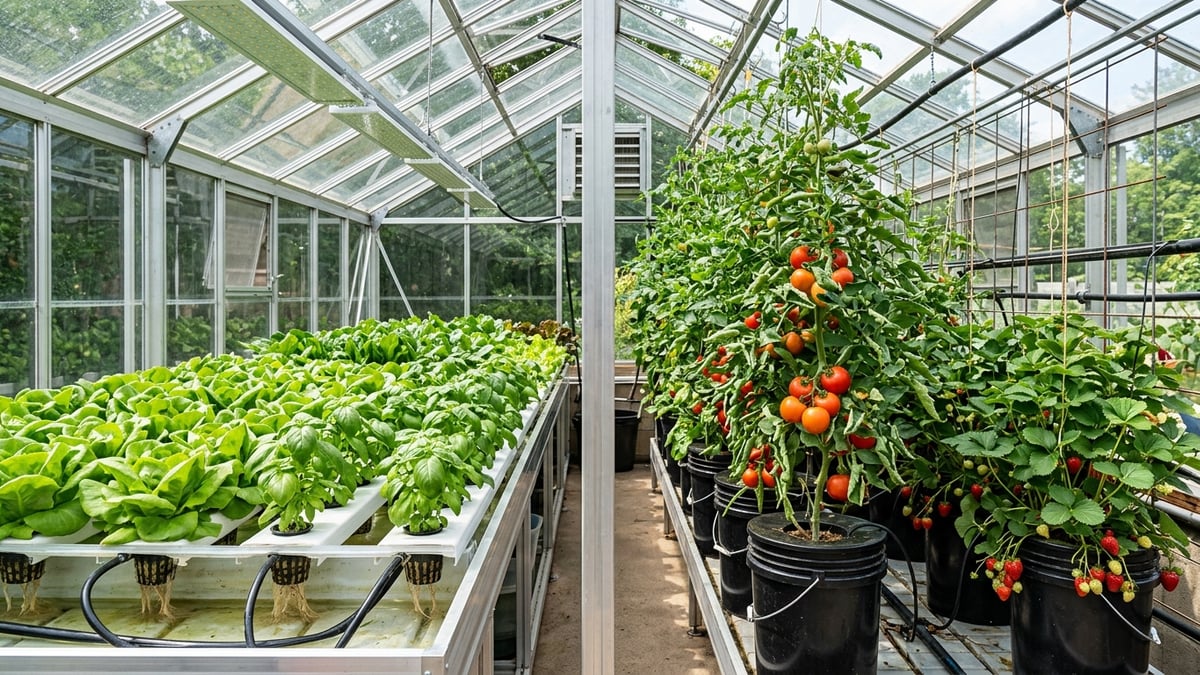
Leafy crops prefer a different layout from long-lived fruiting plants. Lettuce, basil and coriander have compact roots and short crop cycles. Tomatoes and peppers need support, root volume and reliable water through flowering.
| Crop | Good starter system | Plant allowance | Why it fits |
|---|---|---|---|
| Lettuce | Ebb and flow or Kratky | 20-25cm centres | Shallow roots and one quick harvest |
| Basil and coriander | Ebb and flow | 15-20cm centres | Several small pots share one tray |
| Strawberries | easy2grow | One plant per pot | Steady moisture without wet crowns |
| Peppers | 1Pot | One plant per 15 litre pot | Independent watering and firm support |
| Tomatoes | 1Pot or drip | One plant per 15-25 litres | Large roots and heavy water demand |
| Microgreens | Shallow tray | One crop per tray | Short cycle and no large root zone |
How do the main hydroponics starter kits compare?
Gravity-fed pots are the quietest choice. Ebb and flow gives more timing control, but adds a pump and reservoir. Cabinets contain light and airflow, although their purchase price is higher.
The RHS notes that hydroponic roots still need oxygen. Stagnant water can kill most crop roots. That makes drainage, air gaps and clean solution more important than clever controls. Read the RHS hydroponics guidance before building a homemade system.
Use our NFT guide for channels. Our DWC guide covers aerated reservoirs.
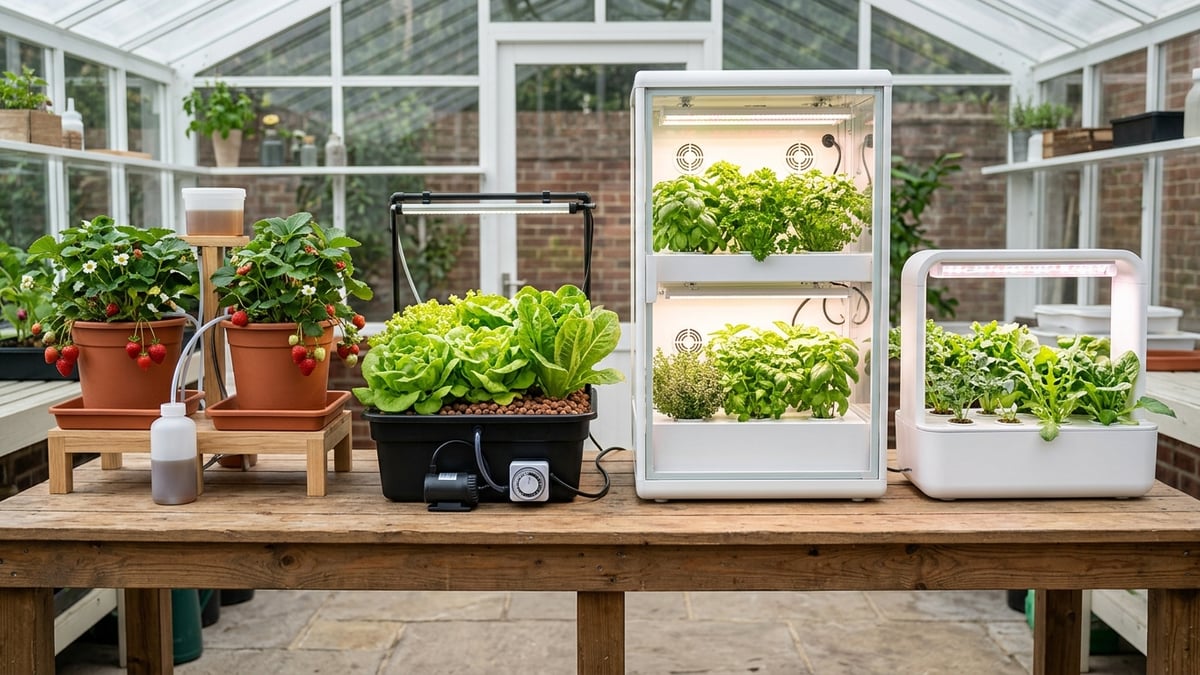
Watch out for incomplete kits. "Kit" can mean only the watering hardware. Check whether the reservoir, pump, timer, pots, light and nutrients are included.
Which system is best for one tomato or pepper?
Use one independently watered pot for each mature plant. A 15 litre AutoPot module is suitable for one pepper or compact tomato. Vigorous cordon tomatoes may benefit from a 25 litre system and extra headroom.
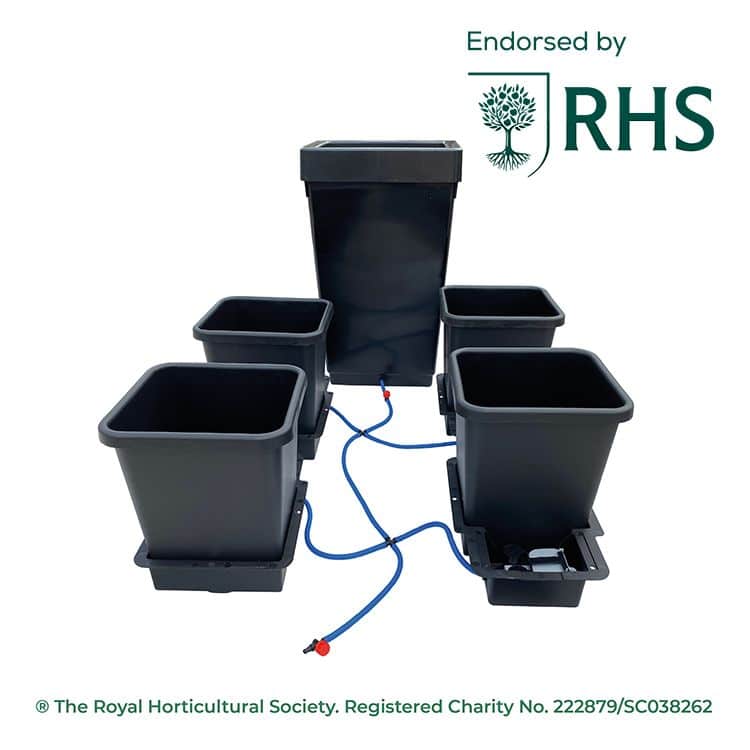
Buy the AutoPot 1Pot System for £57 →
The manufacturer's current brochure allows up to four 1Pot modules per square metre. Treat that as a hardware maximum. Plant canopies often need more room than the pots. See the AutoPot system brochure for module layouts.
When is ebb and flow the better choice?
Choose ebb and flow for several small pots with similar feeding needs. A pump floods the tray, then solution drains to the tank. Roots receive nutrient solution and fresh air during each cycle.
The G-Tools kit includes a 36 litre tank and GT 800 pump. It works with 1.1 by 1 metre trays. The same kit can also supply individual drippers.
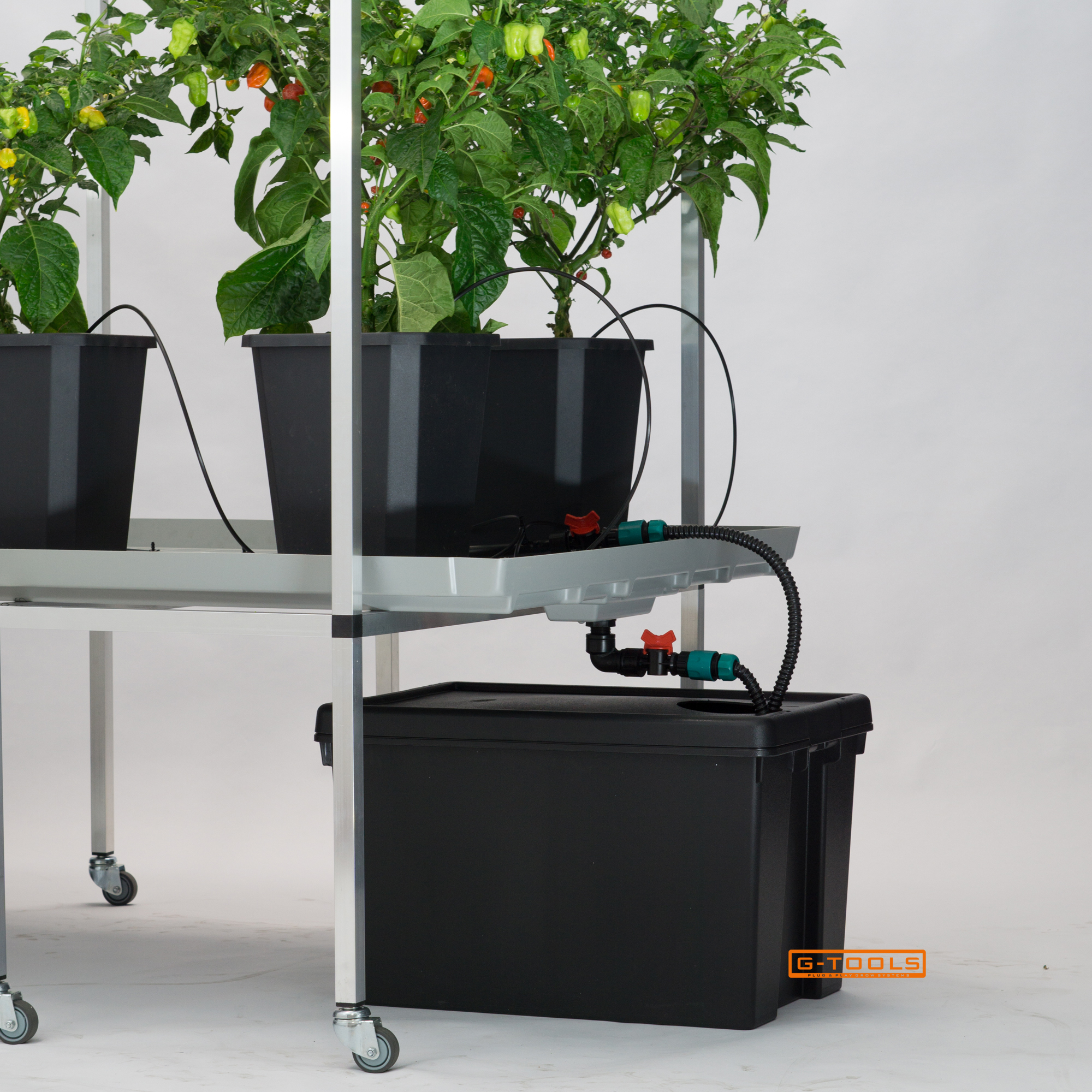
Buy the G-Tools automatic irrigation kit for £175 →
Our ebb and flow guide explains flood timing and drainage. Keep unlike crops on separate trays. Lettuce and fruiting tomatoes rarely want identical nutrient strength or irrigation timing.
Is an enclosed cabinet worth buying?
A cabinet is useful when light spill, access and equipment placement matter. It creates a defined growing footprint. You still need suitable extraction, safe electrics and crop access.
The G-Tools 3-in-1 system fits a 0.35 square metre Bonanza cabinet. It changes between drip, ebb and flow, and shallow water culture. That flexibility helps a grower test methods without replacing the whole irrigation kit.
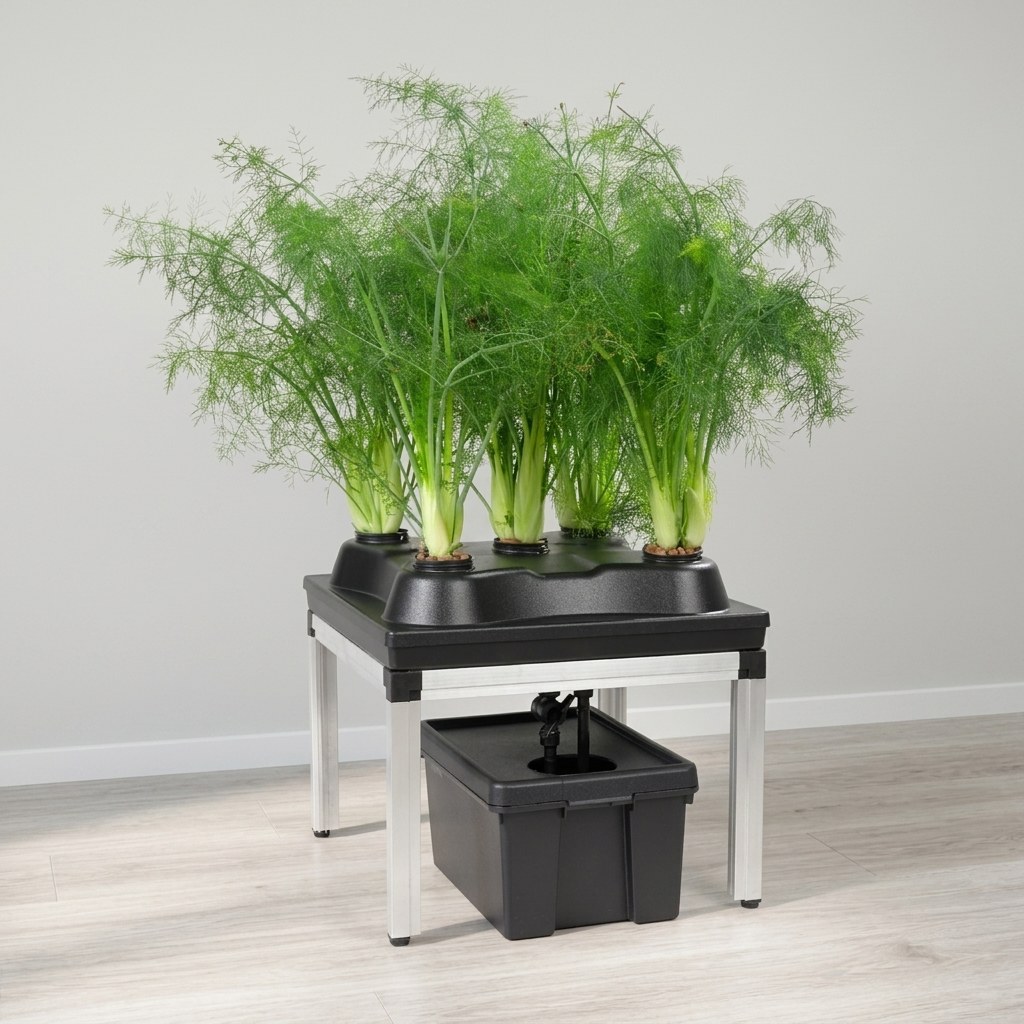
Buy the G-Tools 3-in-1 system for £665 →
What equipment is missing from most starter systems?
Many starter kits omit the light, timer, airflow, nutrient and measuring equipment. A reservoir thermometer is also useful. Keep water near 18-22°C for many common food crops.
Start with our LED grow-light guide.
Then read about pH and EC and ventilation sizing. These parts determine crop health. They matter more than a smart-looking frame.
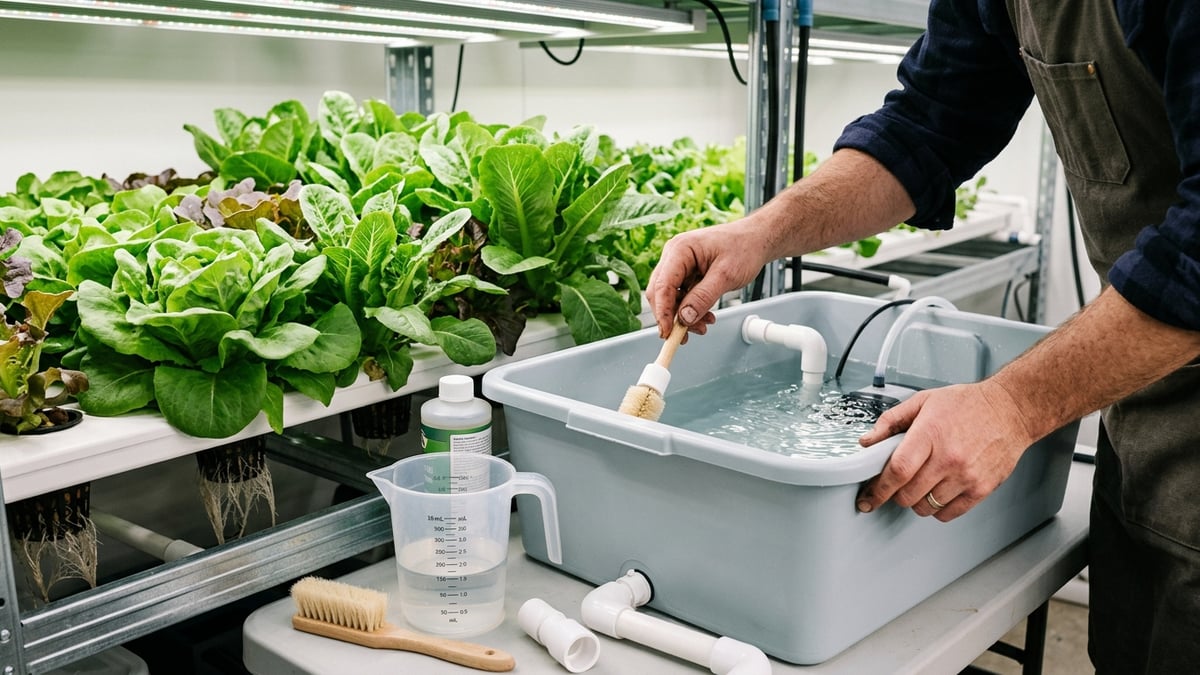
We stock systems with replaceable valves, pipework and pumps. A home system should remain repairable after one lost clip or tired pump. AutoPot and G-Tools also offer clear expansion routes, so growers can add capacity without discarding their first purchase.
- Matt W, Hydroponics UK
Frequently asked questions
What is the easiest hydroponics starter kit for beginners?
A gravity-fed AutoPot kit is the easiest stocked option. It needs no pump and waters only after the tray empties. You still monitor nutrient strength, pH and reservoir cleanliness.
What can I grow in a home hydroponic kit?
Grow lettuce, herbs, strawberries, peppers, tomatoes and many flowers. Match pot size, support and light to the crop. Avoid putting crops with different feed needs on one reservoir.
Do home hydroponic systems use much electricity?
The grow light usually consumes most of the electricity. Gravity systems use none for watering. Pumped trays add a small, timed load, while extraction runs for longer periods.
How much space does a hydroponic system need?
Allow the mature canopy more space than the pot footprint. Two small salad plants may fit 0.25m². One supported tomato can occupy 0.5m² or more.
Are countertop hydroponic kits worth it?
They suit herbs and small salads, but have limited root space. Check replacement pods and light height. Larger separate systems give more choice over crops and parts.