Hydroponic Nutrients, pH and EC Explained
Written by Matt W on 13th Jun 2026.
Hydroponic nutrients are the mineral feed dissolved in your water, and two numbers control them. pH sets how easily roots can absorb that feed, and it must sit between 5.5 and 6.5. EC measures how strong the solution is, so you can match feed to the crop. Get pH and EC right and plants thrive. Get them wrong and even a perfect nutrient mix locks out. This guide explains both, plus how to mix and manage a reservoir.
Key Takeaways
- pH controls nutrient uptake; keep it between 5.5 and 6.5, ideally 5.8 to 6.2
- EC measures feed strength: seedlings want 0.5 to 0.8, leafy greens 1.0 to 1.4, fruiting crops 2.0 to 2.5 mS/cm
- The wrong pH locks nutrients out even when the feed is perfectly mixed
- Mix multi-part feeds in order, Micro then Grow then Bloom, never poured together neat
- Calibrate meters with fresh pH 4.0, pH 7.0 and EC 1.413 solutions for readings you can trust
- Top up the reservoir daily and replace it fully every one to two weeks
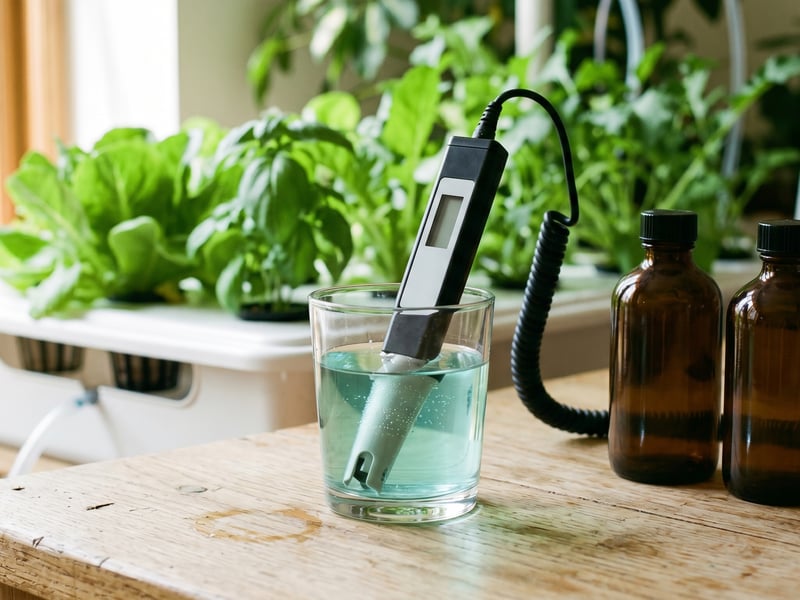
Troubleshoot rising hydroponic pH →
Grower's Note
Feeding problems often begin with pH rather than the nutrient bottle. A good feed can still fail after the solution drifts outside its working range. Check pH and EC daily before changing the feed. Those two readings show whether the solution is drifting or becoming too concentrated.
What are hydroponic nutrients?
They are the plant food you dissolve in water to replace what soil would normally provide. A complete hydroponic feed carries the three major elements, nitrogen, phosphorus and potassium, plus calcium, magnesium and a set of trace elements like iron and manganese. In soil a plant scavenges these slowly. In hydroponics you hand them over directly, at a strength you control.
Most feeds come in parts, because some elements react and fall out of solution if mixed concentrated. A three-part mineral feed like Terra Aquatica TriPart splits the elements into Micro, Grow and Bloom bottles, letting you shift the balance from leafy growth to flowering. Organic dry feeds such as Greenhouse Feeding take a slower, soil-like approach. Both work; the difference is control versus simplicity.
What is EC and why does it matter?
EC, electrical conductivity, measures how much dissolved feed is in the water. Pure water conducts almost nothing; add nutrient salts and conductivity rises in step with the strength. So EC is your strength gauge. Too low and the plant is underfed; too high and the roots cannot take up water against the salt, which scorches leaf tips. Match EC to the crop and its stage.
| Stage or crop | Target EC (mS/cm) | What it means |
|---|---|---|
| Seedlings & cuttings | 0.5 to 0.8 | Gentle, tender roots burn easily |
| Leafy greens & herbs | 1.0 to 1.4 | Steady vegetative feed |
| Fruiting veg, early | 1.4 to 2.0 | Building frame and flowers |
| Tomatoes, peppers, chillies | 2.0 to 2.5 | Heavy demand while fruiting |
| Strawberries | 1.4 to 1.8 | Sweet fruit without scorch |
Read EC at the same time each day and watch the trend, not just the number. If EC climbs while the water level drops, the plant is drinking water faster than feed, so dilute. If EC falls, it is eating feed faster than water, so feed up.
What pH should hydroponic solution be?
Between 5.5 and 6.5, with 5.8 to 6.2 the sweet spot for most crops. pH measures acidity, and it decides which nutrients the roots can actually absorb. Each element has a band where it stays available; that shared window sits in the high-five to low-six range. Drift above 6.5 and iron, manganese and phosphorus lock out, showing as yellowing new leaves even though the feed is present.
pH can drift as plants feed, but water alkalinity, algae and meter faults can produce similar movement. Calibrate first and re-check after mixing. If the number repeatedly rebounds, use our 24-hour pH drift test before adding more acid.
|
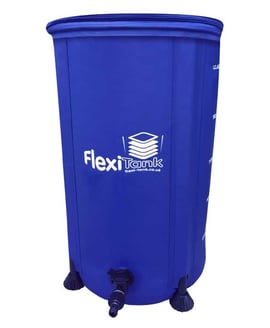
Matt's Pick for a Compact ReservoirBest for: storing up to 50 litres of prepared feed beside a small watering system Why we rate it: the opaque FlexiTank keeps the solution shaded and stores flat between crops. More working volume also slows sudden concentration changes. Price: £49 |
How do you mix hydroponic nutrients?
Add the parts one at a time, in order, stirring between each. With a three-part mineral feed the order is Micro first, then Grow, then Bloom. Never pour the concentrates together neat, because the calcium in one part reacts with the sulphates and phosphates in another and forms a solid that the plant cannot use. Diluting in sequence keeps everything in solution.
Mix the feed first, then set the pH, then check EC, in that order. Adjusting pH before the feed is in is pointless, because the nutrients shift it again. Start at half the bottle's stated dose if you are new; it is far easier to feed up than to rescue a scorched plant from an overdose.
Mixing warning: never combine concentrated nutrient parts before dilution. Add each part to water separately and stir between additions.
Mineral or organic nutrients: which should you use?
Mineral feeds dissolve into measurable ions, making EC a useful strength indicator. Biological or organic programmes behave differently because EC cannot describe every available compound. Choose a nutrient labelled for your system and crop. Follow its mixing order and starting dose rather than combining schedules from different brands.
| Feed approach | EC usefulness | Best for | Main caution |
|---|---|---|---|
| Two-part mineral | High | Recirculating systems | Keep concentrates separate |
| Three-part mineral | High | Stage-specific control | Mix every part in order |
| One-part mineral | High | Simple reservoir routines | Check crop compatibility |
| Biological or organic | Limited | Compatible media systems | Do not judge only by EC |
Grower's Tip: a meter is only as good as its calibration
An uncalibrated meter lies with confidence. Calibrate against fresh pH 4.0, pH 7.0 and EC 1.413 solutions every few weeks, and store the probe wet in storage solution, never dry. A cheap, well-calibrated pen beats an expensive meter that has not seen calibration fluid in months. Replace solutions once opened and contaminated.
How often should you change the solution?
Top up daily and replace fully every one to two weeks. As plants drink, they take water and feed at different rates, so the balance of elements drifts even when EC looks steady. Topping up keeps the volume right day to day, but only a full change resets the nutrient ratios. Between changes, check pH and EC daily and correct as needed.
Warm solution speeds the drift and starves roots of oxygen, so keep the reservoir below 22°C. This feeding routine sits at the heart of every grow, whether you are growing strawberries, raising chillies indoors, or running any of the hydroponic systems we have covered.
Flowing NFT channels and aerated DWC reservoirs respond differently to heat and concentration. Use our NFT targets or DWC targets for each method.
"pH and EC are the dashboard of a hydroponic grow. Check both before blaming the nutrient bottle. A calibrated meter and a written daily log make reservoir changes much easier to diagnose."
- Matt W, Hydroponics UK
Frequently asked questions
What pH is best for hydroponics?
Between 5.5 and 6.5, ideally 5.8 to 6.2. That window keeps every major nutrient available to the roots. Above 6.5, iron and phosphorus lock out and new leaves yellow.
What does EC tell you in hydroponics?
How strong the nutrient solution is. Higher EC means more dissolved feed. Match it to the crop: low for seedlings, high for fruiting tomatoes and chillies.
In what order do you mix three-part nutrients?
Micro first, then Grow, then Bloom. Stir between each addition and never pour the concentrates together neat, or they react and drop out of solution.
How often should you calibrate a pH meter?
Every few weeks, with fresh pH 4.0 and 7.0 solution. Store the probe wet in storage solution. An uncalibrated meter gives confident but wrong readings.
Why are my plant's new leaves turning yellow?
Usually pH has drifted too high, locking out iron. Check the reservoir; if pH is above 6.5, bring it back to around 6.0 and the green returns.
How long does hydroponic nutrient solution last?
One to two weeks before a full change. Top up and adjust daily, but replace the whole reservoir fortnightly so the nutrient ratios reset.