Types of Hydroponic Systems Explained
Written by Matt W on 13th Jun 2026.
Hydroponics grows plants in a nutrient solution instead of soil, feeding the roots directly. There are six core systems: deep water culture, nutrient film technique, ebb and flow, drip, wick and aeroponics. They differ in how they deliver water and oxygen to the roots, not in the result. All use up to 90% less water than soil and commonly grow crops 25 to 50% faster. This guide explains each method and which suits a first build.
Key Takeaways
- Every hydroponic system solves one problem: get water, nutrients and oxygen to the roots at once
- Deep water culture is the simplest: roots hang in oxygenated, fed water
- Ebb and flow floods a tray then drains it, giving roots a regular gulp of air
- Drip systems feed on a timer and scale from one plant to a full room
- Nutrient film technique runs a thin stream past bare roots, ideal for leafy greens
- For a reliable first build, ebb and flow is the most forgiving and the easiest to expand
Grower's Note
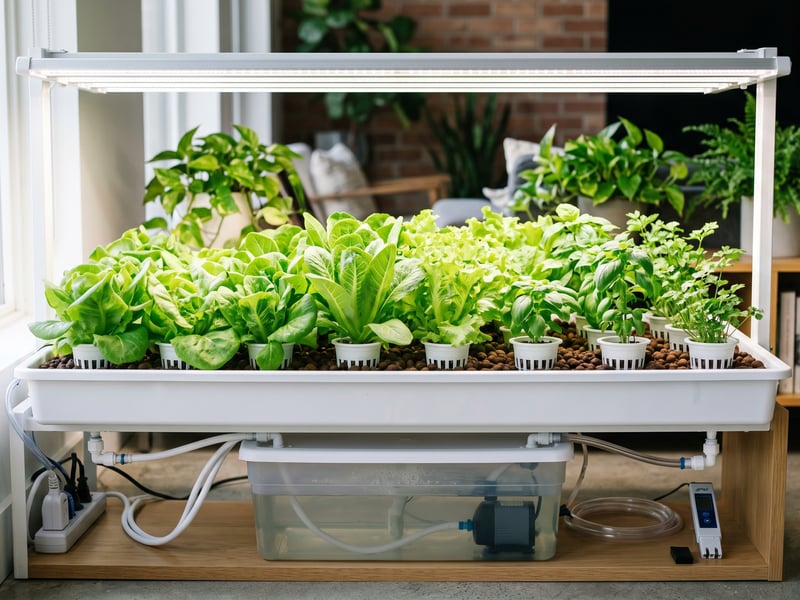
People overthink the choice of system. The truth is every method on this page works, and the differences are about your space, your crop and how hands-on you want to be. Pick the one that matches your room, learn it properly, then expand. A grower who masters one simple ebb and flow tray beats one who buys a clever system they never understand.
What is hydroponics and how does it work?
Hydroponics feeds plants a balanced water solution rather than relying on soil to hold nutrients. The roots sit in an inert medium, or in water itself, and you supply exactly what the plant needs: nitrogen, phosphorus, potassium and trace elements, dissolved at the right strength. Because nothing is locked up in soil, the plant spends less energy hunting for food and more on growth.
The trade is control for convenience. You manage the water, so you must keep it fed, oxygenated and at the right pH. Get that routine right and the rewards are real: faster growth, bigger yields per square metre and up to 90% less water, because the solution recirculates instead of draining away. Our guide to nutrients, pH and EC covers the feeding side in detail.
Deep water culture: roots in oxygenated water
Deep water culture, or DWC, is the simplest hydroponic system. The plant sits in a net cup with its roots dangling into a reservoir of fed water, and an air pump keeps that water full of oxygen. There are no pumps to time and no trays to flood. It suits fast leafy crops and is the cheapest way to learn how a plant responds to water and feed.
The one risk is the reservoir warming up, because warm water holds less oxygen and invites root problems. Keep it below 22°C and DWC is close to foolproof for lettuce, herbs and bushy plants.
Use our DWC setup guide for reservoir size, aeration, pH and EC targets.
Ebb and flow: flood and drain
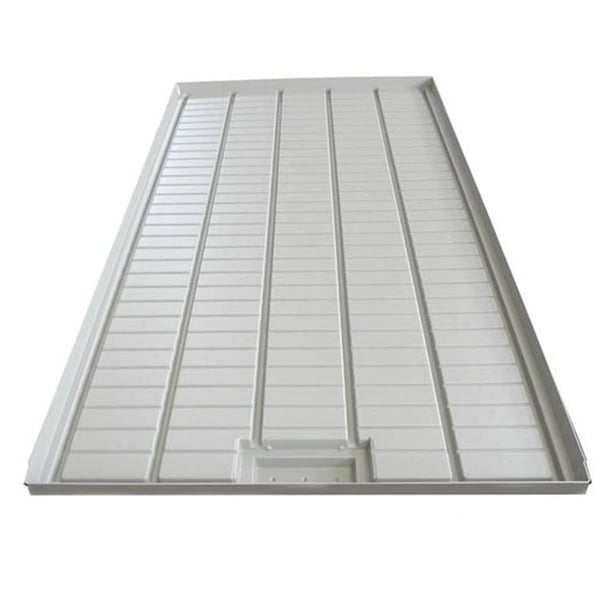
Ebb and flow floods a tray of plants with nutrient solution, then lets it drain back to the reservoir. The flooding feeds the roots; the draining pulls fresh air down around them as the water falls away. That breathing cycle, several times a day on a timer, is why the method grows such strong roots. It handles almost any crop and is the easiest system to expand onto a multi-tier rack.
It is also the most forgiving of mistakes, which is why we recommend it for a first proper build. A single tray on a stand teaches the whole routine, and the same trays bolt straight onto a vertical grow rack when you want more plants. Our full walkthrough of ebb and flow hydroponics shows the parts list.
Drip systems: feed on a timer
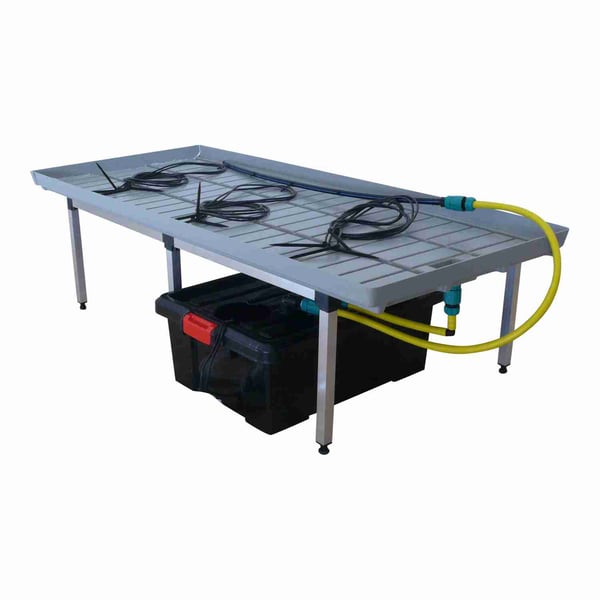
A drip system delivers nutrient solution through small emitters to the base of each plant, on a timer. It wastes nothing, scales from a single plant to a whole room, and gives you fine control over how much each plant gets. Drip is the workhorse of commercial growing for good reason, and a kit version brings the same precision to a cabinet at home.
Drippers can clog with nutrient salts, so a drip system rewards a tidy routine: flush the lines, keep the solution clean and check the emitters. In return it feeds heavy crops like tomatoes and peppers exactly to demand.
Nutrient film technique: channels for leafy crops
NFT sends a shallow film of nutrient solution through sloping channels. It suits lettuce and herbs with compact root systems.
Channel fall and delivered flow matter more than the pump label. Our NFT guide gives measured starting values for both.
|
Matt's Pick to Start WithBest for: a first system you can actually learn on, then grow from Why we rate it: a single ebb and flow tray is the whole hobby in one part. Add a reservoir, a pump and a timer and you have a working system for well under the price of a finished kit. Master it, then clip the same trays onto a rack for ten times the plants without relearning a thing. Price: £62 |
What are the six types of hydroponic system?
Here is the full set side by side. The first three are the ones most home growers use; wick and aeroponics sit at the simple and advanced ends respectively.
| System | How it feeds the roots | Best for | Our kit |
|---|---|---|---|
| Deep water culture | Roots hang in oxygenated fed water | Beginners, leafy greens | Reservoir & air pump |
| Ebb and flow | Tray floods then drains on a timer | All-rounder, easy to expand | Tray from £62 |
| Drip | Timed emitters feed each plant | Heavy feeders, tomatoes, peppers | Drip kit £454 |
| Nutrient film technique | Thin stream runs past bare roots | Leafy greens, herbs at scale | Channels & pump |
| Wick | A wick draws solution up passively | Tiny, no-power herb setups | Plug medium |
| Aeroponics | Roots misted with solution in air | Advanced, fastest growth | Specialist build |
Notice the spread. Wick systems need no electricity at all, while aeroponics demands precise misting and backup power. Most home growers land in the middle three, and a complete recirculating system pairs a tray or drip array with a reservoir, a feed pump and a controller.
For an unpowered first crop, compare these systems with the Kratky method. It trades pump equipment for a carefully protected root air gap.
Browse drip irrigation equipment →
Grower's Tip: oxygen is the silent killer
More hydroponic crops die from low oxygen at the roots than from any nutrient mistake. Warm, still water starves roots and breeds rot. Keep the reservoir below 22°C, run an air pump in any standing-water system, and let ebb and flow drain fully between floods. Cool, moving, aerated water is the whole game.
Buyers comparing finished systems can use our UK starter-kit comparison.
Which hydroponic system should a beginner choose?
Start with ebb and flow or deep water culture. Both are cheap, simple and tolerant of a new grower's mistakes. Ebb and flow edges it for most people. It grows almost anything and expands without a rethink. The trays that feed two plants on a stand feed twenty on a rack. Save drip for hungry fruiting crops, and leave aeroponics until you have a season behind you.
Whatever you pick, the system is only half the build. Light, ventilation and feeding decide the result just as much, and a grow cabinet packages all three. Our comparison of grow cabinets and grow tents shows how the housing fits around any of these systems.
"We sell more ebb and flow than anything else, and we are glad of it. It is the system that teaches you how plants drink without punishing a beginner's mistakes. Learn one tray, then bolt the same trays onto a rack. Nobody outgrows the method, they just add more of it."
- Matt W, Hydroponics UK
Frequently asked questions
What is the easiest hydroponic system for beginners?
Deep water culture or ebb and flow. Both are cheap and forgiving. Ebb and flow grows a wider range of crops and is far easier to expand onto a rack later.
How much water does hydroponics save?
Up to 90% compared with growing in soil. The nutrient solution recirculates instead of draining into the ground, so the same water feeds the plants again and again.
Do hydroponic plants grow faster than in soil?
Yes, commonly 25 to 50% faster. Roots get food and oxygen on demand, so the plant spends its energy on growth rather than searching the soil.
What does NFT stand for in hydroponics?
Nutrient film technique. A thin, constant stream of solution flows past the bare roots in a sloped channel, suiting leafy greens and herbs grown at scale.
Can you reuse hydroponic nutrient solution?
Yes, for one to two weeks, then change it. Top up daily and adjust pH and EC, but replace the reservoir fully every week or two to keep the nutrient balance correct.
Which system is best for tomatoes and peppers?
A drip system feeds heavy fruiting crops best. Timed emitters deliver solution straight to demand, which suits tomatoes, chillies and peppers far better than standing water.