How to Take Cuttings and Propagate Plants
Written by Matt W on 13th Jun 2026.
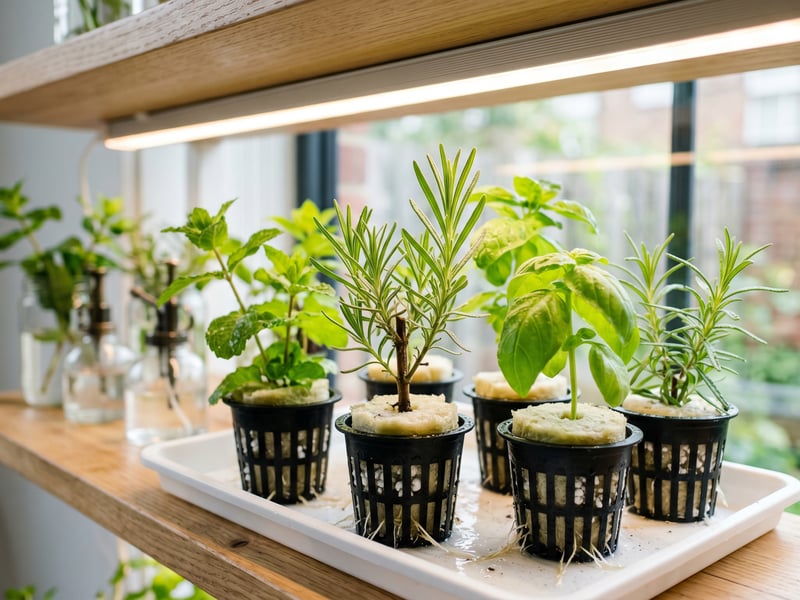
Plant propagation means growing a new plant from a piece of an existing one, most often a stem cutting. The cutting is a clone, genetically identical to the parent. Most soft cuttings root in two to three weeks given warmth, humidity and light. Bottom heat of 18 to 21°C and a steady grow light cut that time roughly in half and lift the strike rate well above a cold windowsill. This guide covers when to take cuttings, how to root them, and the kit that makes it reliable indoors.
Key Takeaways
- A cutting is a clone: it flowers, fruits and tastes exactly like the plant it came from
- Soft herb cuttings (mint, basil, coleus) root in 2 to 3 weeks; woody shrubs take 6 to 10
- Bottom heat of 18 to 21°C is the single biggest lever, roughly halving rooting time
- Keep humidity near 90% for the first week so the cutting cannot wilt before it roots
- A small LED bar over a propagation shelf lets you root all year, not just in spring
- Take cuttings in the morning when stems are full of water, never in the afternoon heat
Shop Propagation & Grow Cabinets →
Grower's Note
Propagation is the cheapest way to fill a garden. One lavender plant gives you twenty for the price of a bag of compost. The mistake most people make is treating it as luck. It is not. Give a cutting warmth at the roots, humid air around the leaves and clean light overhead, and the success rate stops being a gamble. Control those three and you can root almost anything, in January as easily as June.
What is plant propagation?
Propagation is growing a new plant from part of a parent: a stem, a leaf or a root. The most common method for gardeners is the stem cutting, where a short length of stem grows its own roots and becomes a fully independent plant. Because it carries the parent's exact genetics, the result is a clone. A cutting from a sweet basil plant gives you sweet basil, not a seedling that might turn out different.
That is the real advantage over seed. Seed mixes the genes of two parents, so seedlings vary. Cuttings do not. If you have a chilli plant, a scented pelargonium or a fruiting tomato you love, a cutting reproduces it precisely. It is also faster: a rooted cutting is weeks ahead of a seed sown the same day.
How do you take cuttings from plants?
Cut a healthy, non-flowering shoot just below a leaf node, where the rooting hormones concentrate. Aim for 8 to 10cm with three or four leaf pairs. Strip the lower leaves so no foliage sits in the medium, then trim the base square below the bottom node. Dip in rooting gel if you have it, push into a moist, free-draining medium, and keep the air around the leaves humid.
Work clean and work fast. Use a sharp blade, not scissors that crush the stem, and take more cuttings than you need because not every one strikes. A cutting has no roots, so it cannot replace the water it loses through its leaves. That is why humidity matters so much in week one: a propagator lid or a clear cover keeps the air near saturation while roots form.
Grower's Tip: take cuttings in the morning
A stem is fullest of water first thing, before the day's sun pulls moisture out through the leaves. Cuttings taken at 8am root more reliably than the same shoots cut at 3pm. Pop them straight into a sealed bag if you cannot pot up immediately, and never let a cutting wilt before it goes in the medium.
When should you take cuttings?
It depends on the wood. Softwood cuttings, the fresh green growth, come off in late spring and early summer and root fastest of all. Semi-ripe cuttings, where the base has started to firm, are mid to late summer work. Hardwood cuttings of deciduous shrubs are taken in autumn and winter once the leaves drop. The table below maps the popular plants UK gardeners search for most.
| Plant | Cutting type | Best season | Rough rooting time |
|---|---|---|---|
| Basil, mint, coleus | Softwood | Late spring to summer | 2 to 3 weeks |
| Lavender | Semi-ripe | Mid to late summer | 4 to 6 weeks |
| Geranium (pelargonium) | Softwood | Spring or late summer | 2 to 4 weeks |
| Hydrangea | Softwood | Early to mid summer | 3 to 5 weeks |
| Rosemary, fuchsia | Semi-ripe | Summer to early autumn | 4 to 8 weeks |
| Roses, deciduous shrubs | Hardwood | Autumn to winter | 8 to 16 weeks |
Those seasons assume a windowsill. Move the operation under a grow light with bottom heat and the calendar matters far less. An indoor propagation shelf holds 20 to 24°C whatever the month, so you can root pelargoniums in November and have rooted plants ready well before spring.
Do cuttings root faster under a grow light?
Yes, and more reliably. A cutting needs light to photosynthesise and feed the energy-hungry job of growing roots, but a bright windowsill in a British winter delivers very little. A small LED bar fixes that: steady, full-spectrum light for 16 hours a day, held 30 to 40cm above the cuttings. Pair it with a heated base and you remove the two things a cold windowsill cannot give, warmth and light, in one shelf.
The same shelf doubles for seedlings and microgreens, so it earns its keep year round. Our guide to growing microgreens at home uses the same setup, and the indoor herbs and salad walkthrough scales it up.
|
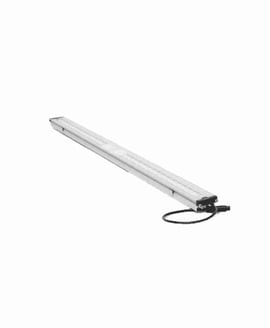
Matt's Pick for PropagationBest for: a cuttings and seedling shelf in a spare room or garage Why we rate it: the Sanlight Flex II 10 is a slim modular bar that throws gentle, even light over a propagator without scorching tender cuttings. It runs cool, sips power and clips into a wider Flex array later if you scale up. For rooting cuttings and bringing on seedlings it is all the light a shelf needs. |
Which medium roots cuttings best?
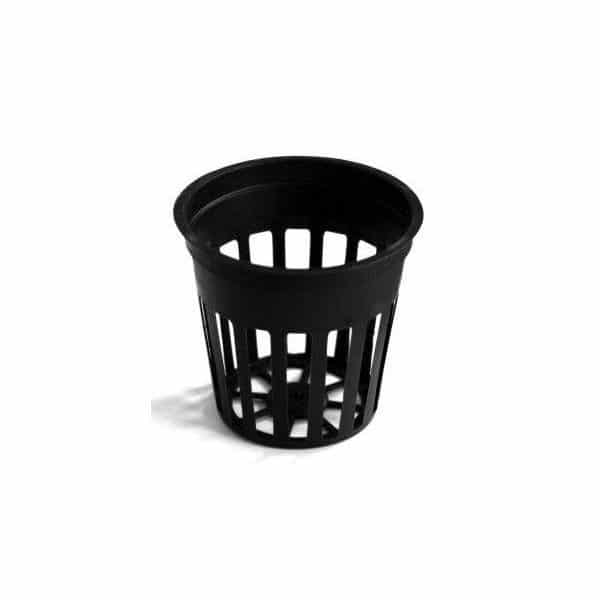
Anything clean, airy and able to hold water without going waterlogged. Roots need oxygen as much as moisture, so a dense, soggy medium suffocates them. Cellulose grow mats give a sterile, water-retentive base that roots grip quickly, and they slot straight into net cups for a tidy, transplant-ready plug. Avoid garden soil indoors: it compacts and carries fungus gnats and disease.
Browse watering and propagation equipment →
Rooting cuttings in net cups and plugs has a second payoff. The plug drops straight into a hydroponic setup, with no soil to wash off. Want to grow the rooted plant on in water rather than compost? Our explainer on types of hydroponic systems shows where it goes next.
Why do cuttings fail, and how do you fix it?
Three causes account for most losses: drying out, rotting and starving. Drying out is too little humidity, fixed with a propagator lid for the first week. Rotting is too much water and too little air at the base, fixed with a free-draining medium and clean tools. Starving is too little light, fixed with a grow light overhead. Get those right and a stubborn batch suddenly behaves.
Patience is the fourth factor. Resist tugging at a cutting to check for roots; you tear the fragile new growth. Wait for fresh leaf growth at the tip, the honest sign that roots have taken hold, then pot on. Move rooted cuttings into their own light and feeding regime, which our guide to nutrients, pH and EC covers in full.
"Propagation is where most growers fall in love with the hobby, because the maths is absurd. A few pounds of light and medium turns one plant into a tray of them. We stock the small Sanlight bars and clean plug media because controlled propagation, warm and lit, beats a windowsill every single time, in any month of the year."
- Matt W, Hydroponics UK
Frequently asked questions
How long do cuttings take to root?
Soft herb cuttings root in two to three weeks. Semi-ripe shrubs like lavender take four to six, and hardwood cuttings need a few months. Bottom heat speeds all of them up.
Do you need rooting hormone for cuttings?
No, but it raises the success rate on woody plants. Soft herbs root readily without it. For lavender, roses and shrubs, a rooting gel or powder is worth using.
Should cuttings be in water or soil?
A free-draining plug medium roots stronger plants than a glass of water. Water-rooted cuttings grow brittle roots that struggle when potted on. Cellulose plugs or grow mats work better.
Why are my cuttings wilting?
They are losing water faster than they can hold it. A cutting has no roots yet, so raise the humidity with a propagator lid and keep them out of direct afternoon sun.
Can you take cuttings in winter?
Yes, indoors under a grow light with bottom heat. A heated, lit propagation shelf holds 20 to 24°C year round, so the outdoor season stops being a limit.
How many cuttings should you take at once?
Always take more than you need, around double. Not every cutting strikes, even in good conditions, so a surplus guarantees enough rooted plants and costs almost nothing.