How to Grow Microgreens at Home: UK Guide
Written by Matt W on 12th Jun 2026.
Microgreens are the fastest crop you can grow indoors in the UK. Most varieties go from seed to harvest in 7 to 14 days on a 510 x 310mm tray. There is no soil, no garden, and roughly 24p a day in electricity under a 54W LED. Radish is ready in a week. A single tray holds up to 1,800g of sprouts. This guide covers trays, mats, seed rates and timings for the six most reliable varieties.
Key Takeaways
- Radish microgreens are ready in 7 to 10 days. Pea shoots take 10 to 14. Wheatgrass presses about 400ml of juice per 510 x 310mm tray
- A perforated 510 x 310mm tray costs £1.40, or £19.95 for a box of 20. Cellulose mats replace soil completely
- Seed rates matter more than most guides admit: about 25g of broccoli seed per tray, but 150g or more of soaked pea
- You need no nutrients for most varieties. The seed carries enough energy to reach harvest on water alone
- Winter light through a UK window is too weak past October. A 54W LED bar fixes that for about 24p a day at 28p per kWh
- The biggest failure is damping off, and it comes from poor airflow, not overwatering alone
Shop Microgreens Growing Kit →
Grower's Note
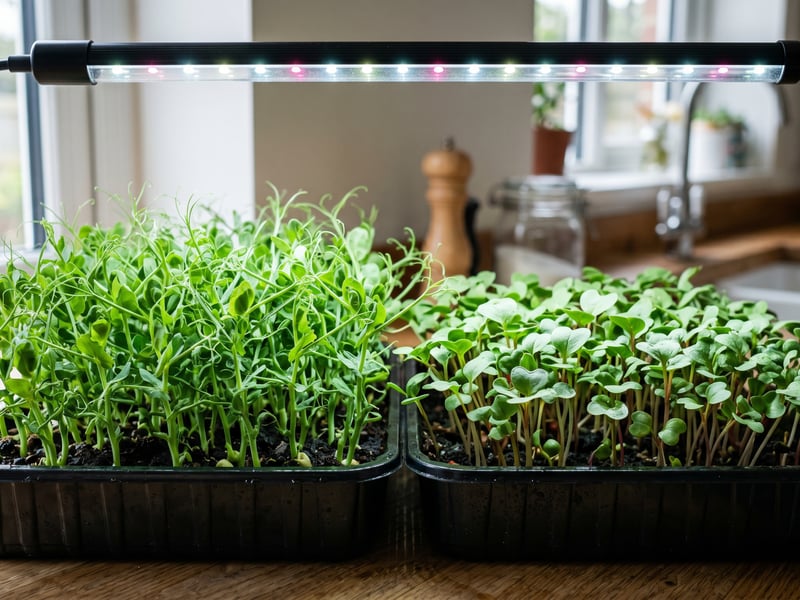
The mistake we see most is treating microgreens like cress on a windowsill. They want weight on the seed during germination, a proper dark phase, and moving air once the canopy closes. Get those three right and the rest is just waiting. Skip them and you will be tipping mouldy trays into the compost by day five.
What are microgreens?
Microgreens are vegetable and herb seedlings harvested at the first true leaf stage, usually 7 to 21 days after sowing. They sit between sprouts and baby leaf. Older than a sprout, younger than a salad leaf, and cut above the root rather than eaten whole. The flavour is concentrated. Radish microgreens carry real heat, pea shoots taste like fresh podded peas, and sunflower has a nutty crunch that holds up in cooking.
They earn their place in a UK kitchen on speed alone. Nothing else edible goes from packet to plate in a week. Restaurants pay £2 to £4 for a small punnet of cut microgreens, which is roughly what a whole tray costs you to grow at home including seed, mat and electricity.
What kit do you need to grow microgreens?
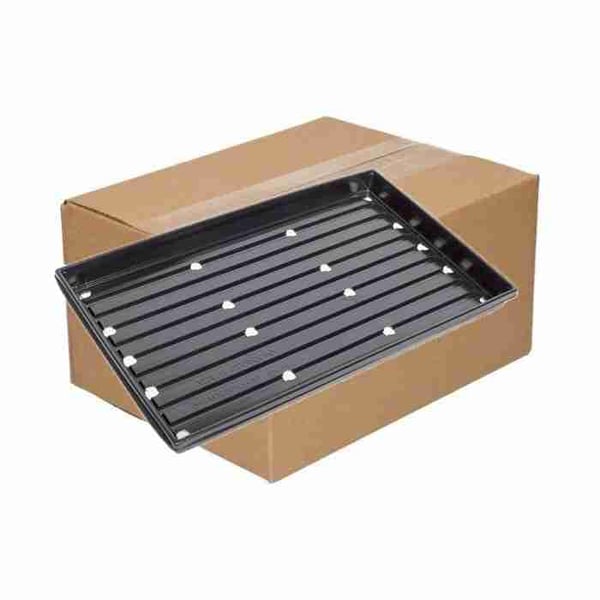
You need a shallow tray with drainage, a growing mat, seed and a light source. That is the whole list. A standard microgreens tray is usually large enough for a useful windowsill crop while remaining easy to lift, drain and clean.
Browse microgreens trays and supplies →
From March to September a bright south-facing windowsill will carry most varieties. From October to February it will not. UK winter daylight is too short and too weak, and you get leggy, pale stems reaching for a sun that never arrives. A low-wattage LED bar solves it. We cover wattages, efficiency figures and exact running costs in our guide to LED grow lights in the UK.
|
Matt's Pick for Starting OutBest for: succession sowing without washing trays mid-cycle Why we rate it: twenty trays means you sow a fresh tray every three or four days and always have one ready to cut. One tray alone teaches you nothing about rhythm, and rhythm is the whole game with microgreens. |
How do you grow microgreens step by step?
Sow on a damp mat, weight the seed in darkness for 3 to 5 days, then bring the tray into light for another 4 to 9. Here is the full cycle as we run it:
- Soak the mat. Lay a cellulose mat in the tray and wet it until it stops absorbing. Tip off any standing water.
- Sow evenly. Scatter seed in one dense layer with no bare patches and no seed sitting on seed. Rates are in the table below.
- Stack and weight. Place a second tray on top with a weight inside. The pressure pushes roots into the mat and gives you an even stand.
- Hold in darkness 3 to 5 days. Mist daily. The shoots should be 2 to 4cm and yellow when you uncover them.
- Move into light. Windowsill in summer, LED in winter. The canopy greens up within 24 hours.
- Water from the base. Sit the perforated tray in a solid one, add water below, drain after ten minutes. Wet leaves invite mould.
- Cut and eat. Harvest with scissors just above the mat once the first true leaves show. Cut trays keep in the fridge for up to 7 days.
Grower's Tip: damping off
If seedlings collapse at the base in patches, that is damping off, a fungal problem that thrives in still, humid air. Thin your sowing rate by a quarter, water only from the base, and get air moving across the trays. A small clip fan on the lowest setting is enough. Binning one tray early beats losing the whole shelf.
Which microgreens grow fastest?
Radish is the fastest reliable microgreen, ready 7 to 10 days from sowing. Here is how the six varieties we rate compare on a 510 x 310mm tray:
| Variety | Seed per tray | Days to harvest | Flavour | Verdict |
|---|---|---|---|---|
| Radish | 30g | 7-10 | Peppery heat | Matt's Pick: fast, vigorous, hard to fail |
| Broccoli | 25g | 8-12 | Mild brassica | The one to grow for nutrition claims |
| Pea shoots | 150-200g soaked | 10-14 | Fresh garden pea | Biggest yield by weight, cut and come again |
| Sunflower | 80-100g soaked | 8-12 | Nutty crunch | Best texture, needs hull removal at harvest |
| Rocket | 15g | 8-12 | Proper rocket bite | Tiny seed, sow thin, do not soak |
| Wheatgrass | 200g soaked | 8-10 | For juicing | About 400ml of juice per tray |
Avoid basil and coriander while you are learning. Both sit in the tray for three weeks or more and give mould every chance to move in.
Do you need soil to grow microgreens?
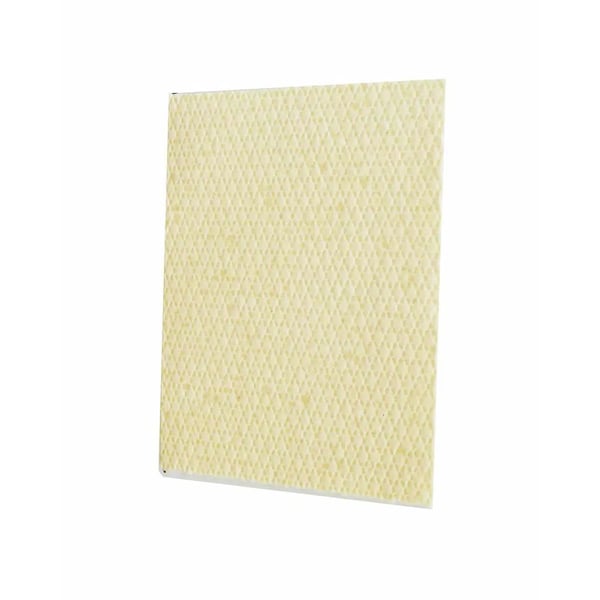
No. A cellulose mat does the same job with none of the mess. The fibre holds water through germination and gives roots something to grip. At the end of the cycle it lifts out of the tray in one piece. The spent mat and root layer go straight in the compost. Soil on a kitchen worktop tends to end up on the kitchen floor, and it can carry fungus gnats into the house. Mats carry nothing.
Browse microgreens growing supplies →
Most varieties need no nutrients either. The seed carries enough stored energy to reach first true leaf on plain water. The exception is anything you cut twice, like pea shoots, where a half-strength feed after the first cut keeps the second flush coming.
How do you scale up from a windowsill?
The ceiling on windowsill growing is space and winter light, and you hit both around the same time. The next step up is an enclosed unit with its own lighting and watering. Compare the current grow cabinets if you want a tidier, self-contained setup with more growing area.
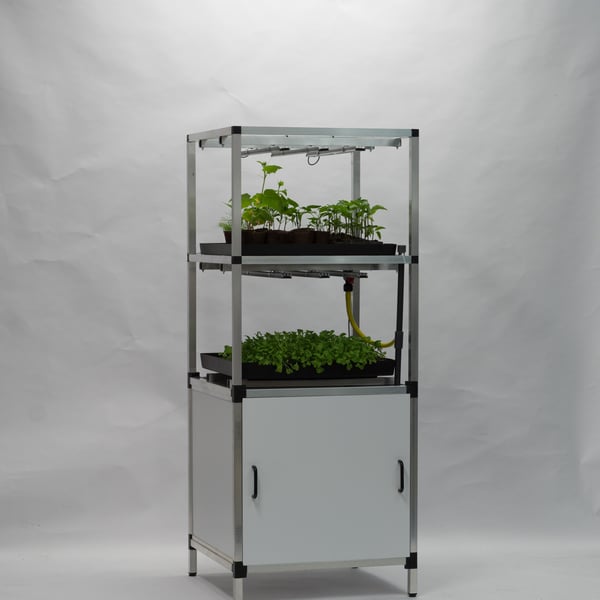
Browse compact grow cabinets →
If you are weighing up a full enclosure against an open shelf, our comparison of grow cabinets and grow tents walks through the noise, smell and running cost differences. And once you have trays moving, microgreens pair naturally with a few pots of basil and a salad tray; our guide to growing herbs and salad indoors all year covers that side.
"We stock the 510 x 310mm tray because commercial growers settled on that size for good reasons. It fits shelving efficiently and holds 1,800g of crop. One tray is a sensible week of salads for a household. Everything else in our microgreens range is built around that footprint."
- Matt W, Hydroponics UK
Frequently asked questions
How long do microgreens take to grow?
Most microgreens take 7 to 14 days from sowing to harvest. Radish is quickest at 7 to 10 days. Pea shoots and sunflower take 10 to 14. Slow herbs like basil can take 21 days or more, which is why we steer beginners away from them.
Do microgreens regrow after cutting?
Only pea shoots regrow reliably after cutting. Cut above the lowest leaf pair and a second flush follows in about a week. Radish, broccoli, sunflower and rocket are single-cut crops: compost the mat and resow.
How much seed do you need per tray?
Between 15g and 200g depending on seed size. On a 510 x 310mm tray use 15g of rocket, 25g of broccoli or 30g of radish. Soaked pea needs 150 to 200g. Dense, even, single-layer sowing beats thick patches every time.
Can you grow microgreens without a grow light in the UK?
Yes from March to September on a bright windowsill. Through a UK winter the light is too weak and the stems stretch. A 54W LED bar running 14 hours a day costs about 21p a day at 28p per kWh and ends the problem.
Are microgreens cheaper than buying them?
Yes, by a wide margin. A tray costs roughly £2 to £3 to grow, counting seed, mat and electricity. It yields what greengrocers sell for £8 or more in cut punnets.
Why are my microgreens going mouldy?
Still air and overhead watering are the usual causes. Water from the base, lower your seed rate, and run a small fan across the trays. Mould almost always starts where seed sat in a clump.