How Often to Change Hydroponic Water: UK Guide
Written by Matt W on 20th Aug 2026.
Change the nutrient solution in a small home hydroponic reservoir every one to two weeks as a safe starting point. Large, stable systems may run for two to four weeks with careful EC, pH and temperature monitoring. Check the water level daily. Replace the solution immediately if it smells sour, turns cloudy, develops heavy algae or will not stabilise.
Key takeaways
- One to two weeks is a practical baseline for small recirculating reservoirs.
- A top-up replaces water; a full change resets the nutrient balance.
- Use the EC trend to decide whether a top-up needs water or diluted feed.
- Warm, small and heavily planted reservoirs usually need earlier changes.
- Never wait for the calendar when roots or solution show warning signs.
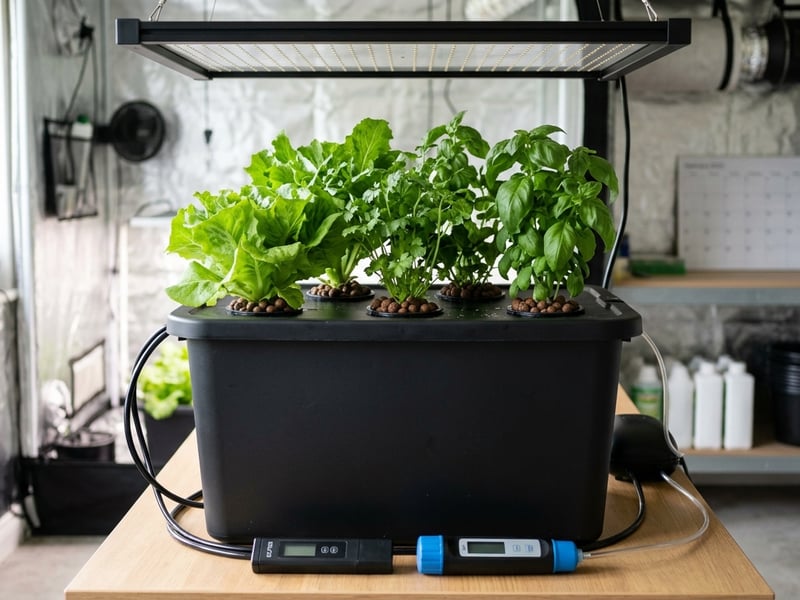
Browse reservoirs and watering equipment
Grower's note
I use the calendar as a backstop, not the only trigger. A reservoir can look clear while its nutrient ratios have moved far from the original mix. I log EC, pH and water level together. When the readings need repeated correction, fresh solution is usually cheaper than another week of guesswork.
How often should you change hydroponic water?
For a small DWC bucket, NFT reservoir or recirculating home system, plan a complete change every 7 to 14 days. Both the Royal Horticultural Society and Oklahoma State University Extension give about two weeks as a useful general interval.
That is a cautious home-growing rule, not a law. Larger water volumes change more slowly. Some short lettuce crops can finish without a mid-crop change. Mature tomatoes in a warm room can alter a small tank quickly. University of New Hampshire Extension notes that change frequency depends strongly on system volume and crop use. Your readings and root condition should therefore shorten or extend the baseline.
| System | Starting schedule | What changes it |
|---|---|---|
| Small DWC bucket | Every 7 to 14 days | Large roots, warm water and low volume shorten the interval |
| Multi-site DWC or recirculating system | Every 1 to 3 weeks | A larger, stable reservoir can run longer if readings stay controlled |
| NFT | Every 1 to 2 weeks | Dense roots and fast-growing crops can shift the solution sooner |
| Ebb and flow | Every 1 to 2 weeks | Growing-media debris and evaporation can bring the change forward |
| Kratky or passive container | At crop end, or earlier if unstable | Long crops may need a carefully managed partial or full refresh |
Top up or change the whole reservoir?
A top-up and a water change solve different problems. Plants remove water and individual nutrients at different rates. Topping up restores volume, but it cannot prove that calcium, potassium, nitrate and trace elements remain in their original proportions. A complete change removes that uncertainty and resets the solution.
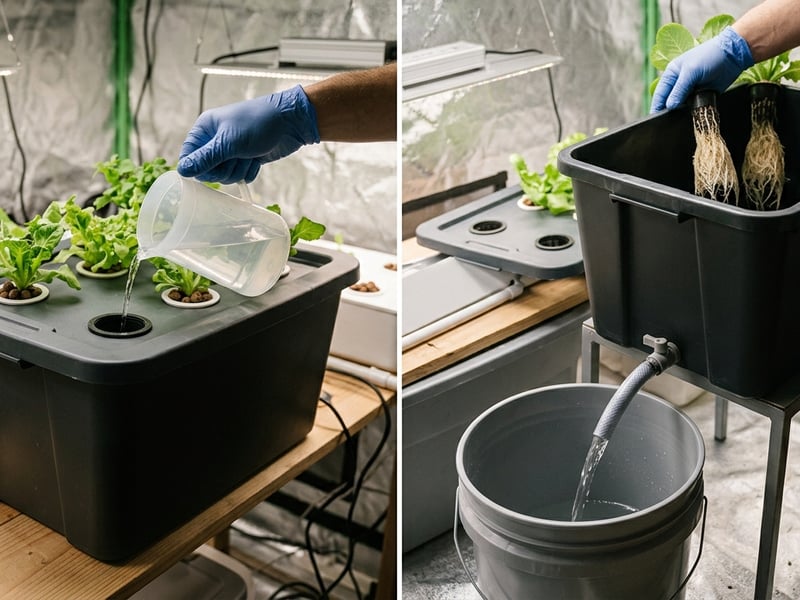
Use the EC direction before choosing a top-up
- Water level falls and EC rises: plants are taking proportionally more water. Add pH-adjusted water gradually.
- Water level falls and EC falls: plants are using nutrients quickly. Add a diluted nutrient mix, then recheck.
- EC and pH swing unpredictably: calibrate the meters. If the readings are real, replace the solution.
- Only the water level falls: make a small top-up, circulate, wait and test again.
Do not pour concentrate straight into a live root zone. Mix it fully in a separate container or add it where strong circulation disperses it immediately. Read our hydroponic nutrient, pH and EC guide before correcting an unfamiliar reading.
Seven signs to change the solution now
Bring the water change forward when you notice any of these:
- A sour, swampy or rotten smell from the tank.
- Cloudy water, surface foam or heavy suspended debris.
- Green algae on the tank, lid, tubing or growing media.
- Brown slime that wipes from roots rather than natural nutrient staining.
- pH rebounds repeatedly after the meter has been calibrated.
- EC remains outside the crop's range after a careful top-up.
- An accidental nutrient overdose or contamination event.
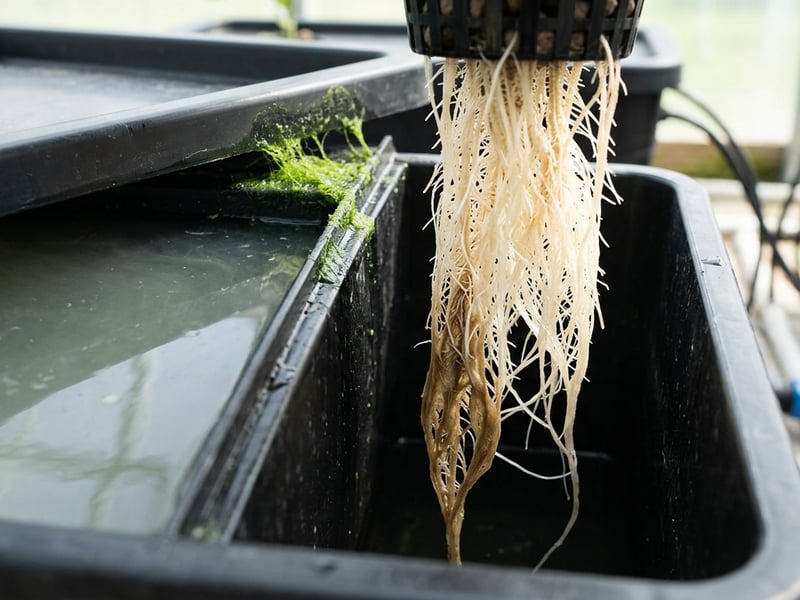
Root trouble needs more than new water. Remove dead material, check aeration and water temperature, and isolate badly affected plants. The DWC root rot guide explains how to separate harmless staining from soft, damaged roots. If pH is the main symptom, use the 24-hour rising-pH test.
How to change a hydroponic reservoir
- Prepare the new solution first. Use clean water, measure nutrients accurately and let it mix.
- Record the old readings. Note EC, pH, water temperature and how much solution remains.
- Switch off pumps safely. Keep exposed roots supported and damp during the short change.
- Drain the old solution. Keep it away from drains, streams and ponds.
- Remove debris. Wipe the tank and accessible pump surfaces with a dedicated clean cloth.
- Rinse after cleaning. Never leave detergent or sanitiser residue around live roots.
- Refill and circulate. Run the system before making the final EC and pH adjustments.
- Check for leaks and flow. Confirm every channel, dripper or air stone works before leaving it.
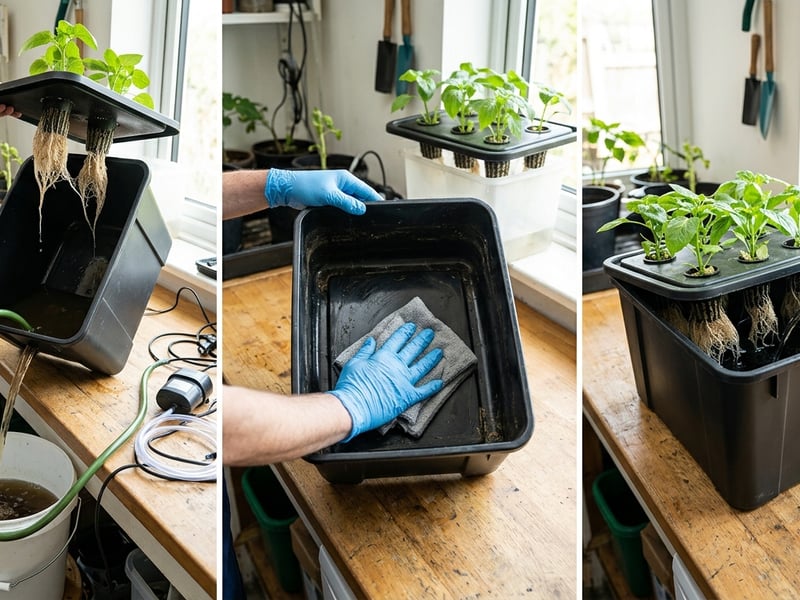
Clean more thoroughly between crops. University of Georgia Extension recommends complete changes and regular cleaning for small hydroponic gardens. If disease was present, follow the label on a suitable horticultural disinfectant and rinse as directed. Do not improvise strong chemical mixtures around plants.
Choose enough reservoir volume
A tiny tank changes quickly because every litre drunk, evaporated or added shifts much of the total. More volume gives you a wider correction window. It does not remove the need to monitor the solution, but it makes temperature, EC and pH less twitchy.
Use our reservoir litres-per-plant guide to size a new setup. Leave enough free space for circulation and a safe top-up. Keep the tank opaque and covered to reduce algae.
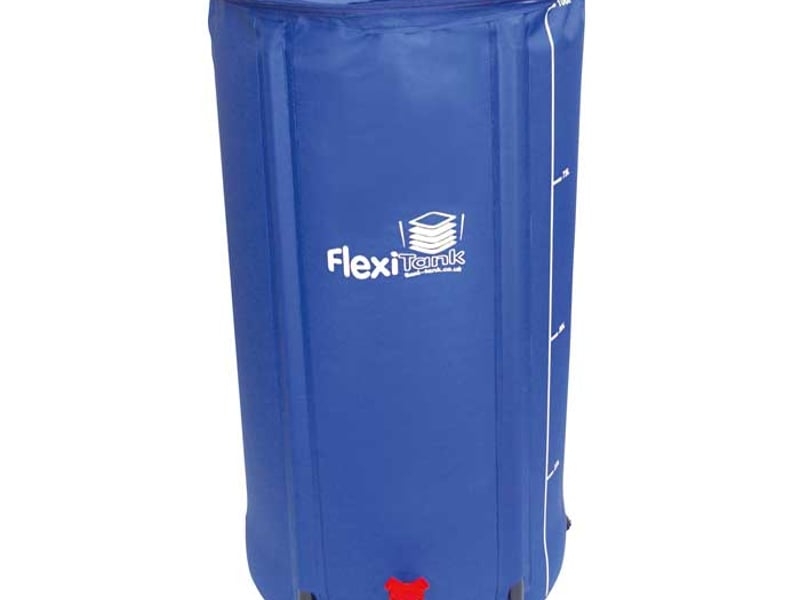
A larger flexible reservoir for multi-pot systems
The AutoPot 100 Litre FlexiTank provides more buffer than a small bucket and folds down when not in use. Pair the capacity with the number and size of plants rather than filling a large tank by habit.
£59
Where should old nutrient solution go?
Do not pour used nutrient solution into a surface-water drain, stream or pond. It contains nitrogen and phosphorus that can feed unwanted algal growth. If the solution contains no disease treatment or unsuitable chemical, the RHS suggests using it on garden soil as fertiliser. Apply a modest amount over a broad area and keep it away from waterways. Follow local disposal guidance if the solution is contaminated.
Frequently asked questions
Can I keep topping up hydroponic water forever?
No. Top-ups restore volume but cannot fully reset changing nutrient ratios.
Should I add nutrients every time I top up?
Use the EC trend. Rising EC usually needs water; falling EC may need diluted feed.
Do I change DWC water every week?
Seven to fourteen days is a sensible baseline for a small DWC bucket.
Can lettuce finish without a water change?
Some short crops can, provided volume, roots, EC, pH and temperature remain healthy.
Does a bigger reservoir need fewer changes?
Often, but only when monitoring confirms the larger solution remains stable and clean.
Should I clean the tank during every change?
Remove debris each time and clean thoroughly between crops or after disease.